Zambia set to hold policy rate at 13.5% amid easing inflation and rising risks
Get Breaking News on WhatsApp
Follow Kafue Times for real-time news from Kafue, Zambia and beyond — straight to your phone.
Join WhatsApp Channel →Zambia set to hold policy rate at 13.5% amid easing inflation and rising risks
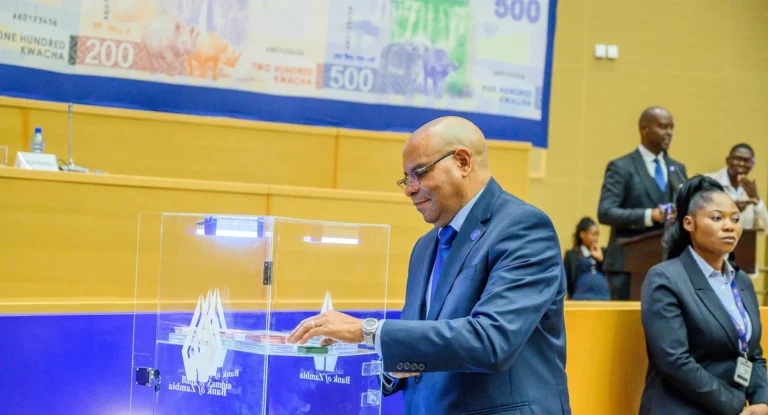
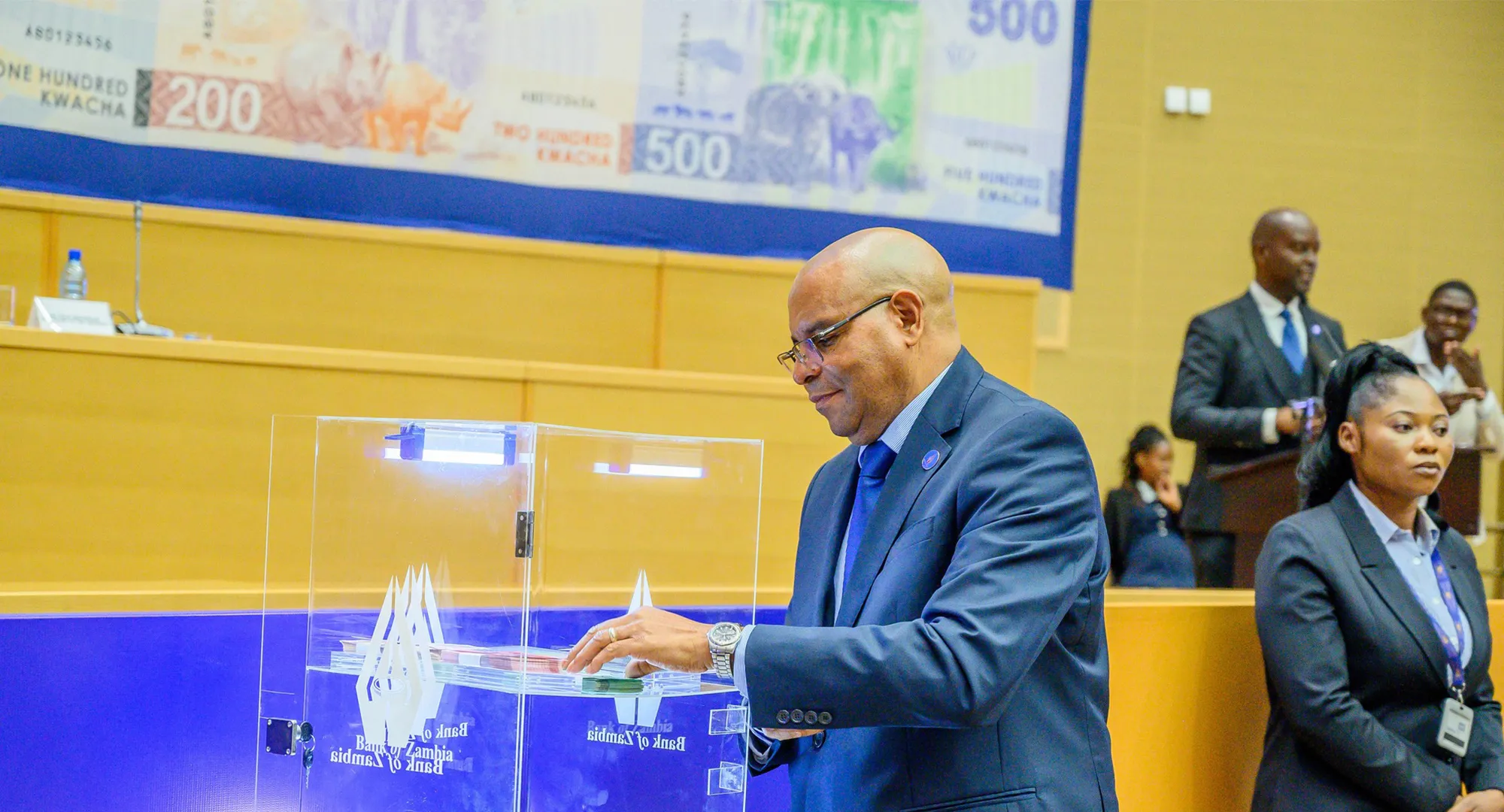
The Bank of Zambia is expected to keep its benchmark interest rate unchanged at 13.5% on Wednesday, despite continued easing in inflation, as policymakers weigh growing domestic and global risks.
Analysts say the central bank is likely to maintain its current stance following a recent decline in annual inflation, which has strengthened expectations for a gradual shift towards monetary easing.
In February, the Bank of Zambia cut the monetary policy rate by 75 basis points from 14.25% to 13.5%, citing faster-than-expected disinflation.
At the time, Governor Denny Kalyalya said the decision was based on sustained easing in inflation observed during the final quarter of 2025, alongside improved prospects of inflation returning to the target range of 6% to 8%.
He added that the Monetary Policy Committee sought to strike a balance between maintaining macroeconomic stability and supporting economic growth.
However, economists caution that the central bank may adopt a wait-and-see approach, pointing to mounting risks that could complicate the inflation outlook. These include geopolitical tensions, increased government spending ahead of elections, and the potential impact of another El Niño weather cycle on agricultural output.
Meanwhile, global copper markets have shown renewed strength. Prices on the London Metal Exchange rose sharply last week, posting their strongest weekly gains since early October.
Copper climbed 1.3% to close at US$13,573 per tonne on Friday its highest level since late January and gained more than 4% over the week.
The rally has been attributed to improving investor sentiment amid hopes of a de-escalation in tensions involving Iran, even as clashes continue near the Strait of Hormuz. Ongoing supply concerns, including disruptions to key inputs such as sulphur and operational challenges at major mines like Grasberg mine, have also supported prices.
As Zambia’s primary export commodity, copper remains central to the country’s economic performance, with fluctuations in global prices directly affecting foreign exchange earnings.
Despite the recent upswing, analysts warn that prices could come under pressure later in the year if geopolitical tensions persist or intensify, potentially dampening global growth and industrial demand.
About the Author