25 presidential aspirants pay nomination fees ahead of 2026 elections
Get Breaking News on WhatsApp
Follow Kafue Times for real-time news from Kafue, Zambia and beyond — straight to your phone.
Join WhatsApp Channel →25 presidential aspirants pay nomination fees ahead of 2026 elections
A total of 25 aspiring presidential candidates have paid nomination fees for Zambia’s 2026 general elections, signalling heightened political interest ahead of the August 13 vote.
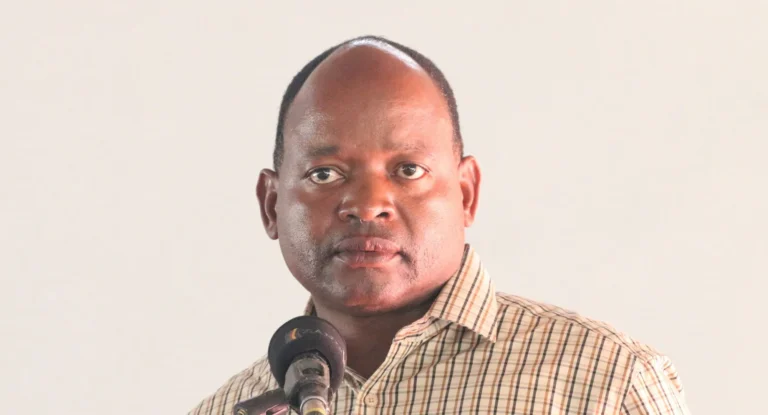
The update was announced on Thursday by Electoral Commission of Zambia Chief Electoral Officer Brown Kasaro, who said the close of business on April 29 marked the end of payments and the beginning of a more technical phase in the nomination process.
Mr Kasaro said the Commission will now move into the pre-processing stage of supporters, aimed at verifying whether each aspirant has secured the constitutionally required backing across the country’s provinces.
He added that the Commission would soon release a schedule for the exercise at designated provincial centres.
Political analysts say the unusually high number of presidential hopefuls reflects both the openness of Zambia’s democratic space and growing voter dissatisfaction. However, they caution that the crowded field could fragment the opposition vote, potentially benefiting the ruling United Party for National Development (UPND), which is seeking to retain power.
The Commission has in recent months faced mounting pressure from political stakeholders demanding greater clarity on electoral rules and timelines. In response, it has sought to project readiness as key milestones approach.
Mr Kasaro confirmed that the ECZ will officially certify the Register of Voters for the 2026 general election on Monday, May 4, at 11:30 hours.
He also noted that consultations with political parties held on April 17 exposed lingering uncertainties, particularly around constitutional eligibility requirements.
The Commission is expected to engage the Attorney General to clarify provisions relating to presidential candidates’ residency, including the duration required to qualify.
Questions surrounding candidate eligibility have become increasingly contentious, especially with the emergence of diaspora-based politicians and ongoing disputes over academic qualifications.
Mr Kasaro said verification of Grade 12 certificates will continue to be conducted by the Examinations Council of Zambia through both online and physical channels.
Meanwhile, political parties and independent candidates seeking early validation of supporters were required to notify the Commission and settle nomination fees by April 29 deadlines that some smaller parties have criticised as financially restrictive.
The ECZ is also reviewing nomination fees for parliamentary and local government candidates, including mayors, council chairpersons and councillors, with a decision expected imminently. Critics have argued that high fees disproportionately disadvantage young candidates and smaller political movements.
In a move aimed at strengthening electoral management, Mr Kasaro said stakeholders agreed that future consultative meetings would be strictly by invitation and limited to credible political parties, following recent disruptions.
With the verification phase now underway and the field of candidates expanding, Zambia’s 2026 elections are shaping up to be one of the most competitive and crowded contests in recent history.
About the Author